Everyone talks about digitization, but what does it mean?
In short, it is the transition from an analog mode to a digital one. A bit like cameras: once they were all analogue, but in a short time these were completely replaced by digital cameras.
Digitization is here, there and everywhere for a long time. It is already deeply rooted in all aspects of our society and our everyday life. Not just in the form of social media, but also our workplaces and our interaction with the public.
In this article, we give you inspiration and introduce you to methods to get the most out of the many possibilities of digitization. We will take you around the nooks and crannies and explain some of all the new, popular buzzwords and technologies that dominate the conversation about digitization.
One of the absolutely hot digitization buzzwords is Blockchain. It is a technology that i.a. enables secure transactions without intermediaries, such as banks. Blockchain is particularly associated with the digital currency bitcoin, which is currently destabilizing and changing our perception of currency.
Blockchain acts as a digital, shared ledger that is constantly up-to-date with all transactions linked to a database. All transactions and holdings are transparent to avoid fraud and exploitation. So if I buy a product from you for one bitcoin, for example, the transaction is registered with everyone else who is connected to the database and thus everyone is able to verify the validity and honesty of the transaction. Read more about Blockchain in our guide, which you will find here.
Digitization of currency, however, is not the only everyday element that is fundamentally changing. Internet of Things (IoT) are smart, integrated, digital solutions in our everyday life. Eg. in smartwatches, smart refrigerators that can detect missing items and order items home, and thermostats. But also in industry, IoT is gaining ground more and more, both in production and in the companies' physical products.
IoT is an aspect of digitization that is particularly driven by data, and the business potential (for which you will get good tips in this article, where we have interviewed IoT expert Martin Jørgensen from Xtel Wireless) lies first and foremost in basing its solution on data and trying to predict which data you may come to "own" in the future.
Data has become a goldmine for many industries for too long - and the backbone of all digitalisation. As we write in this article, then it is no longer enough to trust your intuition; you have to trust big data. Big data is used for everything from predicting traffic jams, to identifying flu outbreaks among newborns even before symptoms appear, to mapping user behavior on social media.
But the more digitization, the more data is shared, and thus the risk of security breaches increases. Therefore is Data security a hugely topical topic among private individuals as well as business. If we leave information, and we do, this will also be used! But what should we protect against, why and how?
Data security has, among other things, been a hot potato when the conversation has come up Public Digitization. In Denmark, we are at the forefront of public digitization. Just take our daily use of NemId, borger.dk, e-boks etc. And it's smart as hell! And certainly the future! But… it is not without problems. read more here, where we explain why public digitization often fails.
Digitization is high on the agenda in both the public sector and private companies. Therefore, it is essential that we understand the subject, its opportunities and challenges, regardless of the type of organization we are in. In short, we must develop our Digital IQ, which you can be guided through here. Not just to avoid threats, but also to avoid making mistakes.
The digital IQ we can e.g. use in our companies to make "virtual collaboration", i.e. use new and smart online platforms to communicate and share ideas and materials with our employees. Shortly said; a digitization of our work processes.
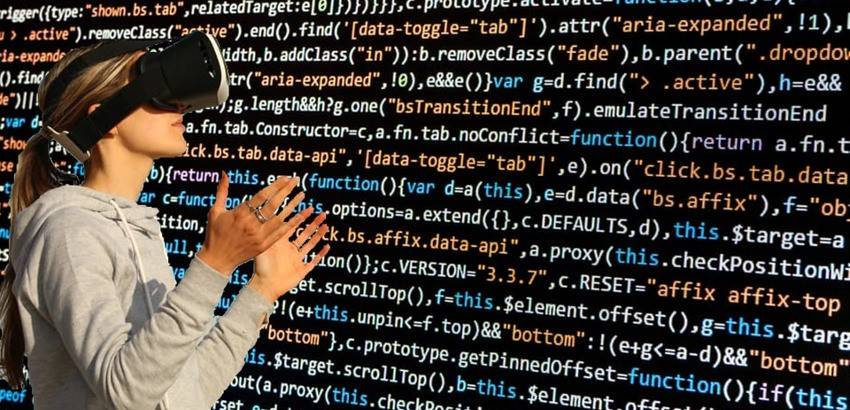
These workflows may become especially exciting when we digitize and apply Virtual Reality (VR) and Augmented Reality (AR). VR is a technology that enables the user to interact with a computer-generated environment using special "VR glasses". We can sit at home on the sofa with our glasses on and at the same time be on a beach in Bali. AR supplements reality with an extra "layer" of information in the form of e.g. sound, video, data or graphics. PokemonGo is a prime example of AR, but in fact the technology is already taking over manufacturing companies as well, which you can read here.
To take digitization a step further, they have actually linked AR and VR together, which has given us Mixed Reality (MR). With MRI, the user receives real-time images of real surroundings on a display mounted on the head, while an extra layer of information is placed on top. The smart thing about MRI is that the technology itself identifies and presents the information that pops up. Here you can read more about, how MR is going to affect business.
Behind both VR, AR and MR we find a cornerstone in the concept of "digitalisation": Artificial Intelligence (AI). It is a technological process in which a computer solves tasks that for humans require intelligence. AI is seen in everything from a super chess computer to recording online user data to new ways of running HR and organizing companies.
AI is with Robotic technology the basis for an automation of our working life. Most industries and the various departments in the companies will remain affected to a large or small extent of this form of digitalisation, which gives rise to much debate about whether robotics will deprive people of jobs or create new and different jobs.
But robots are far from the only digitization of workplace tools. Take e.g. The 3D printer. The potential with one like this is enormous, and suddenly we can print racing cars, houses, pizzas and even a heart clap! Or even more clearly: Look at them Social Media. To that extent, they have left their mark on our working life.
We all know about getting information and news through Facebook, interacting through LinkedIn, being inspired on Instagram or Twitter, etc. It is now impossible not to be on social media - especially for companies. It is one of the places where digitization is perhaps most visible.
Social Media is everywhere. Also when it comes to marketing, and it is precisely that concept Omnichannel Marketing cover for. This means that we use social media, newsletters, website, webshop, etc. to give the user an overall impression of us. As with all other aspects of digitization, data is used to get to know the customer, then Omnichannel Marketing is used to provide the customer with a meaningful experience, which you can read a case about here.
Both Omnichannel Marketing and social media are part of the company's need for one Digital Marketing Strategy. Without a plan for our presence and active use of digital channels, we will not enjoy the full effect of digitalization's countless possibilities. Too many companies make the same mistakes, when it comes to their (lack of) digital marketing strategy, make sure you do a thorough preparatory work so that you can get the best possible starting point for your business.
Fill out the form to book a 30-60 minute session.
We will respond within 24 hours
Contact us today and hear about your options